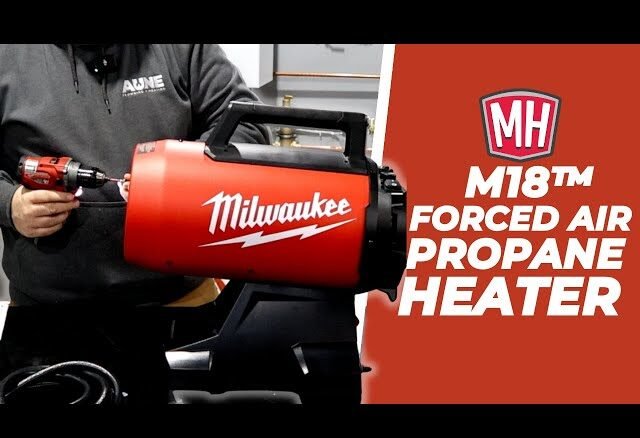
Functionality, Challenges, and Solutions in Practical Use
Forced air heaters are among the most widely used heating systems in homes, offices, warehouses, workshops, and industrial facilities. Their popularity stems from their efficiency, rapid heating capability, and compatibility with various fuel types, such as natural gas, propane, electricity, and oil. Unlike radiant heaters that warm objects directly, forced air heaters heat the air itself and use a fan or blower to distribute this warm air across the desired space. This method allows for faster temperature control and wider coverage, making them a preferred choice in environments where immediate and consistent warmth is essential.
Despite their effectiveness, forced air heaters are not free from operational challenges. Over time, users often encounter problems that affect performance, increase energy consumption, and compromise safety. From uneven heating and airflow issues to ignition failures and mechanical malfunctions, forced air heaters demand regular attention to maintain their efficiency. In this article, we will explore how forced air heaters work, the common problems they face, and practical solutions to address these issues, ensuring longevity and optimal performance.
Working Mechanism of Forced Air Heaters in Real-World Applications
The basic operation of a forced air heater revolves around the principle of air circulation combined with heat exchange. When activated, the system pulls in cooler air from the surrounding environment through an intake vent. This air first passes through a filter designed to trap dust, allergens, and other airborne particles, ensuring that the circulated air is clean and safe to breathe. Once filtered, the air moves into the heating chamber, where it encounters the primary heat source, be it gas burners, electric coils, or an oil-fired combustion system.
This safety feature ensures that only clean, heated air is circulated within the space. In electric models, the process is similar, though the heat is generated by electrically heated coils. After the air is heated to the desired temperature, a powerful blower fan forces the warm air through a network of ducts and vents, distributing it evenly across the target area. Simultaneously, combustion by-products are expelled outside through an exhaust flue in systems that rely on gas or oil. This combination of heat generation, air filtration, and forced circulation forms the core functionality of a forced air heater, making it suitable for various settings, from small workshops to large industrial warehouses.
Common Operational Problems Encountered with Forced Air Heaters
Despite their mechanical simplicity, forced air heaters are not immune to operational problems. One of the most frequently reported issues is uneven heating, where certain areas remain cold while others become excessively warm. This discrepancy often results from blocked vents, poorly designed ductwork, or accumulated debris in filters that restrict airflow. Additionally, the blower motor’s efficiency plays a significant role in determining how well the heated air reaches every corner of the space. A failing motor or an imbalanced fan can lead to significant heating inconsistencies.
Another pervasive issue is short cycling, a condition where the heater turns on and off in rapid succession without maintaining the set temperature. This not only affects comfort levels but also increases wear and tear on system components. Causes for short cycling can range from oversized heating units, dirty filters causing overheating, to faulty thermostats and blocked exhaust flues triggering safety shutdowns.
Unusual noises during operation are also common complaints. Users often report rattling, banging, or squealing sounds emanating from their forced air heaters. These noises can be indicative of loose panels, worn-out bearings in the blower motor, or debris caught in the ductwork.
Weak airflow presents yet another challenge. Even when the heater is functioning, a diminished airflow from vents results in inadequate heating. This problem is typically traced back to clogged air filters, malfunctioning blower motors, or collapsed duct sections. In systems that combine heating and cooling functions, dirty evaporator coils can also restrict airflow, compounding the issue.
Furthermore, instances where the heater blows cold air despite running are not uncommon. Such scenarios often point to ignition failures, where the pilot light or electronic igniter fails to initiate the heating process. Faulty heat exchangers, malfunctioning limit switches, or incorrect thermostat settings can also result in the system circulating unheated air. At the extreme end of the problem spectrum, a forced air heater might fail to start altogether. Such failures can stem from power supply issues, tripped safety switches, or critical component failures like a defective blower motor or capacitor.
Practical Solutions to Address Forced Air Heater Problems
Effectively addressing problems associated with forced air heaters requires a combination of regular maintenance, prompt repairs, and system optimization. For uneven heating, the first step involves inspecting and sealing any leaks in the ductwork. Leaky ducts allow heated air to escape before reaching its intended destination, leading to temperature discrepancies. Ensuring all vents are open and unobstructed is equally important. Regularly replacing air filters, preferably every one to three months, can significantly improve airflow and overall heating efficiency. In cases where mechanical components like the blower motor show signs of wear, professional servicing or replacement becomes necessary to restore balanced heat distribution.
Short cycling issues demand a more in-depth approach. Additionally, keeping filters clean and ensuring that exhaust flues are clear of obstructions can prevent overheating and subsequent shutdowns. Faulty thermostats should be recalibrated or replaced to maintain consistent operation.
Addressing unusual noises involves a systematic inspection of the heater’s physical components. Tightening loose panels, securing duct connections, and cleaning debris from the ductwork can resolve most noise-related complaints. For more persistent issues like worn bearings in the blower motor, professional repair services are recommended. Installing flexible duct connectors can also mitigate noise caused by metal expansion and contraction.
When dealing with weak airflow, replacing clogged filters remains the simplest and most effective solution. For more severe airflow restrictions, a thorough inspection of the blower assembly is necessary. Replacing worn belts or repairing the motor can restore normal airflow levels. Collapsed or blocked duct sections should be identified and rectified promptly. In systems with shared heating and cooling functions, cleaning dirty evaporator coils can also enhance airflow and heating efficiency.
In scenarios where the heater blows cold air, checking the ignition system becomes imperative. Relighting a pilot light or replacing a faulty electronic igniter can resolve the issue. Cracked heat exchangers, while a more serious concern, must be repaired or replaced to ensure safe and effective operation. Testing and replacing malfunctioning limit switches and verifying thermostat settings further ensure that the system heats the air as intended.
For forced air heaters that fail to start altogether, a comprehensive diagnostic approach is required. Checking the electrical panel for tripped breakers or blown fuses is the first step. Ensuring that the thermostat is functional and correctly configured is equally important. Safety switches engaged due to prior faults should be reset only after addressing the underlying issue. Replacing failed components like blower motors or capacitors is essential for restoring system functionality.
Preventive Maintenance: The Key to Long-Term Performance
While reactive repairs address immediate problems, preventive maintenance remains the most effective strategy for ensuring the long-term performance of forced air heaters. Regular filter replacements not only improve heating efficiency but also enhance indoor air quality. Scheduling annual professional inspections allows for early detection of potential issues, from mechanical wear to duct leaks, before they escalate into costly repairs.
Sealing and insulating ductwork prevents heat loss, thereby improving overall system performance and reducing energy consumption. Lubricating blower motors and other moving parts minimizes friction, reduces noise, and prolongs component lifespan. Upgrading to smart thermostats can optimize heating schedules, adapt to user preferences, and deliver significant energy savings. Periodic testing of safety systems, including limit switches and exhaust flues, ensures that the heater operates safely and reliably under all conditions.
For commercial and industrial users, advanced solutions such as variable speed motors, zoned heating systems, and integrated air purifiers offer additional benefits. These upgrades not only enhance heating efficiency but also provide better control over indoor air quality and comfort levels. Remote monitoring systems further allow facility managers to track heater performance in real-time, enabling predictive maintenance and reducing downtime.
Conclusion: Maximizing Efficiency Through Proactive Care
Forced air heaters play an indispensable role in maintaining comfortable and safe indoor environments across various sectors. Their ability to deliver fast, consistent heat through a simple yet effective mechanism has made them a staple in residential, commercial, and industrial applications. However, their performance is heavily dependent on regular maintenance and timely problem resolution.
By understanding how forced air heaters function, recognizing common operational problems, and applying targeted solutions, users can ensure that their heating systems operate efficiently and reliably. Whether it is addressing uneven heating, resolving airflow issues, or tackling ignition failures, a proactive approach to maintenance can prevent minor problems from escalating into major system failures.
Ultimately, investing in the proper care and occasional upgrades of forced air heaters translates to better performance, lower energy costs, and a longer operational lifespan, making them a truly valuable asset in any heating infrastructure.

I am a passionate blogger, researcher, and author creating insightful content that inspires learning and creativity. I also accept guest posts and link insertions.
